
APARC General Assembly 2026 एपीएआरसी महासभा 2026
Indian Institute of Tropical Meteorology, Pune, 12–16 October 2026 दिनांक 12-16 अक्टूबर 2026 के दौरान आईआईटीएम, पुणे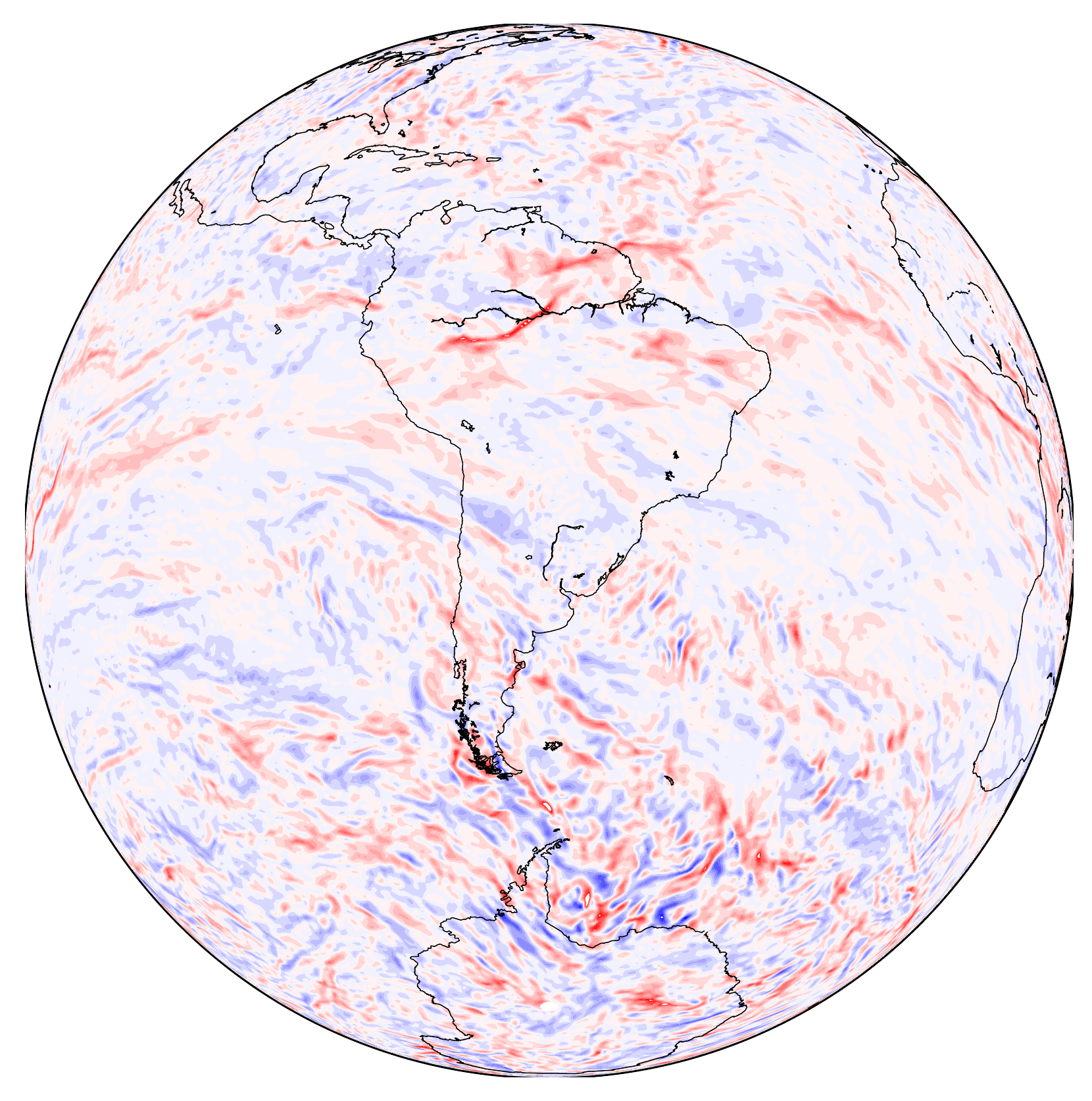
Theme: 1Toward High Resolution Representation of the Climate System
The increasing resolution of Earth system models and enhanced observational capabilities are opening new windows toward improved process understanding and better representation of our climate system. This includes explicit resolution of gravity waves, with consequences for the simulation of large-scale circulation such as the QBO, as well as fine-scale processes in the tropopause region and at the air-sea boundary. We invite contributions that address the challenges and advantages of high resolution and km-scale modeling, observational needs for validating such models, and the impacts of resolving fine-scale processes on the simulation of large-scale dynamics. We also welcome contributions on AI/ML applications to facilitate high-resolution modeling and link high-resolution datasets across scales.
Related APARC activities include: Gravity Waves, QBOi, FiSAPS, OCTAV-UTLS
Theme: 2Atmospheric Composition and its Variability in a Changing Climate
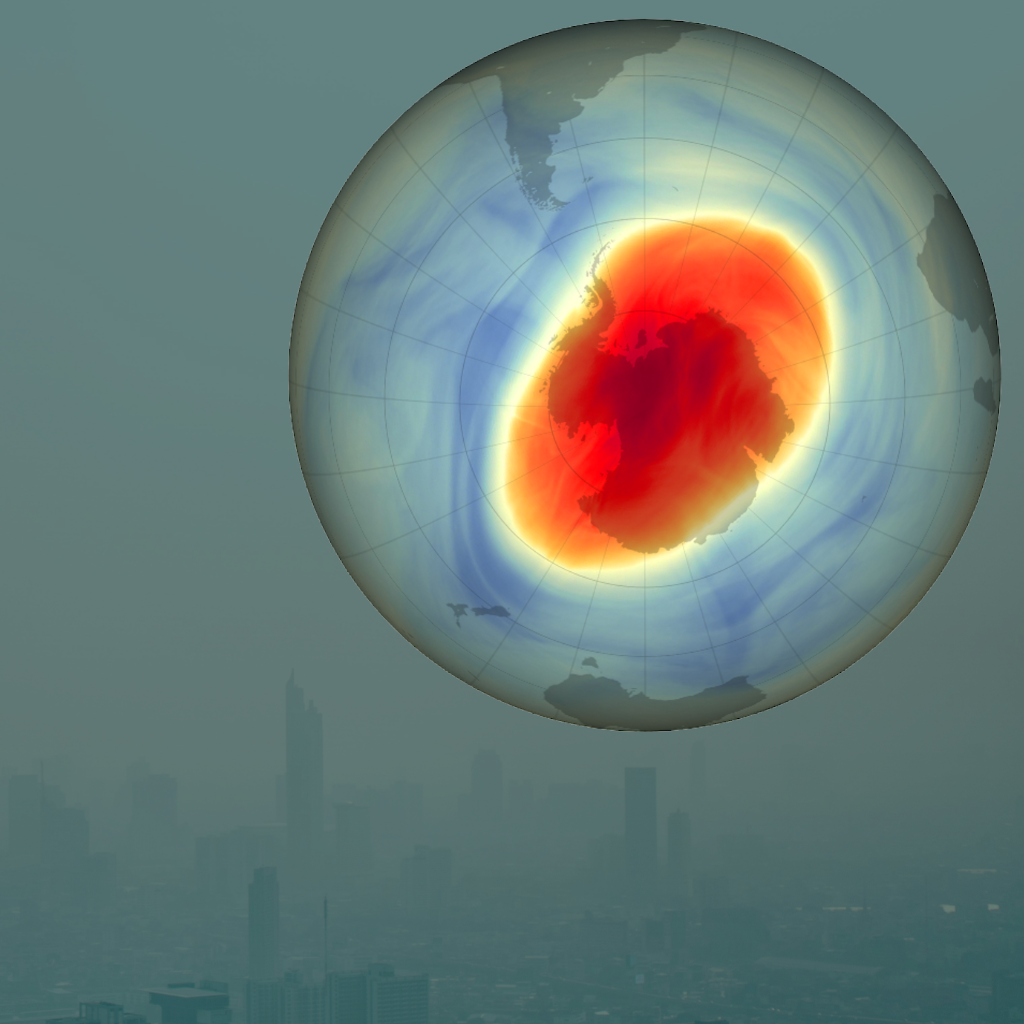
As the Earth’s surface climate warms and the stratosphere cools, changes in atmospheric composition sit at the heart of both climate change and potential societal responses. Persistent or widening observational gaps concerning key atmospheric constituents belie increasing recognition of the roles of atmospheric composition and chemistry in circulation, air quality, weather variability, and the response of the Earth system to climate change. We invite contributions that advance our understanding of composition and chemistry throughout the atmosphere, including the impacts of fires, volcanic eruptions, and anthropogenic emissions, the increasing threat of space debris, long-term ozone trends in both the troposphere and the stratosphere, and the potential risks, benefits, and strategies for stratospheric aerosol injection and other approaches to solar radiation management.
Related APARC activities include: CCMI, OCTAV-UTLS, LOTUS, VSLS, Stratospheric Aerosol, HTHH, QBOi/QUOCA, ACAM
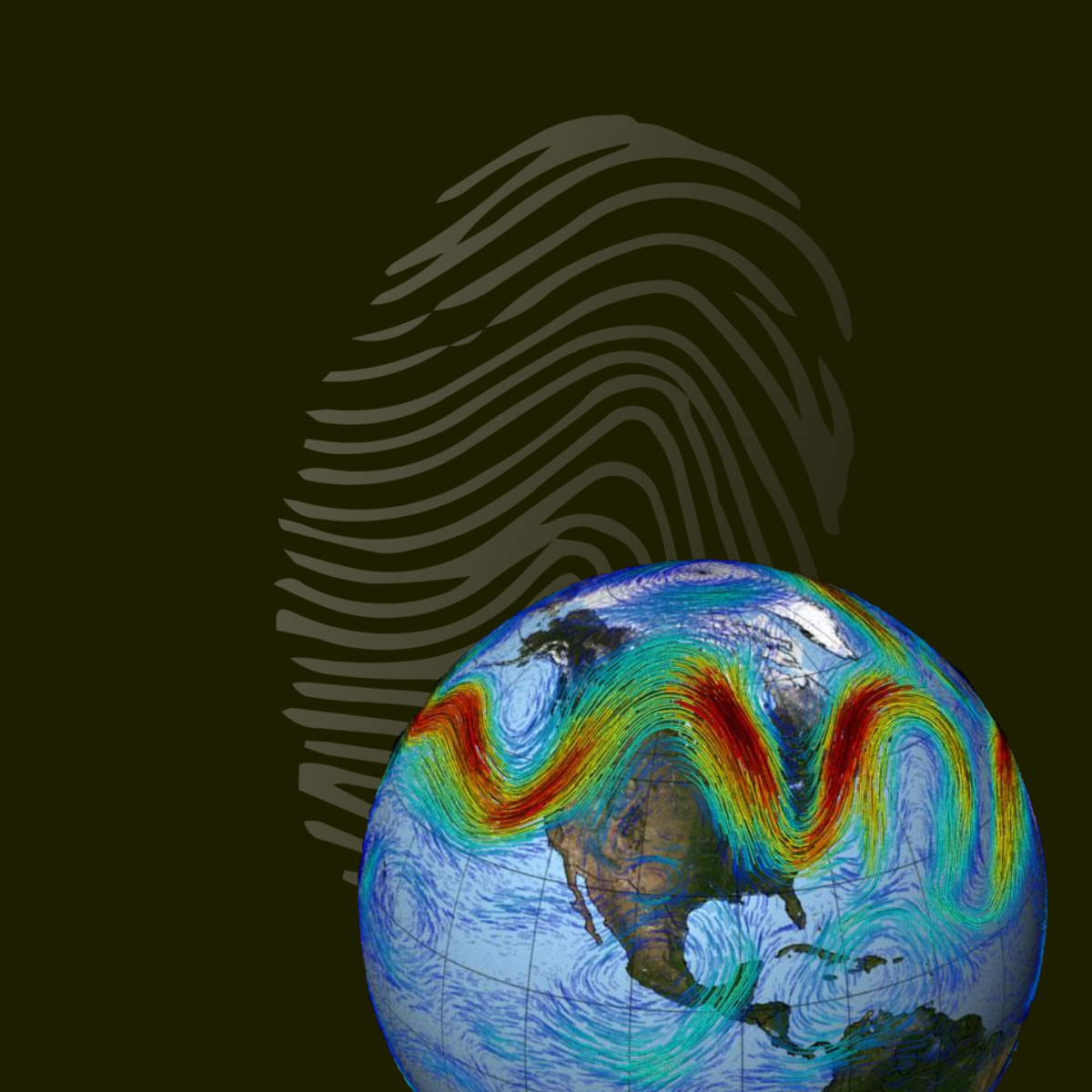
Theme: 3Dynamical and Thermodynamic Fingerprints of Climate Forcing
Dynamical fingerprints of climate forcing are beginning to emerge from the observational records. The APARC community is continuing to work toward describing and quantifying the myriad dynamical and thermodynamic responses to forcing agents, including research on the processes underlying these responses. Areas of particular focus include changes in jets and storm tracks, their links to extratropical extremes, changes in the atmospheric water cycle, and the long-term evolution of temperature changes throughout the atmosphere. We invite contributions on the dynamical and thermodynamic responses to greenhouse gases, anthropogenic aerosols, ozone, the solar cycle, and volcanic forcing, as well as interactions and non-linearities among these responses, both those emerging from observations and those identified or attributed based on model simulations.
Related APARC activities include: DynVar, LEADER, CCMI, A-RIP, SOLARIS-HEPPA, ATC, TUNER, Stratospheric Aerosol/HTHH, and QBOi/QUOCA
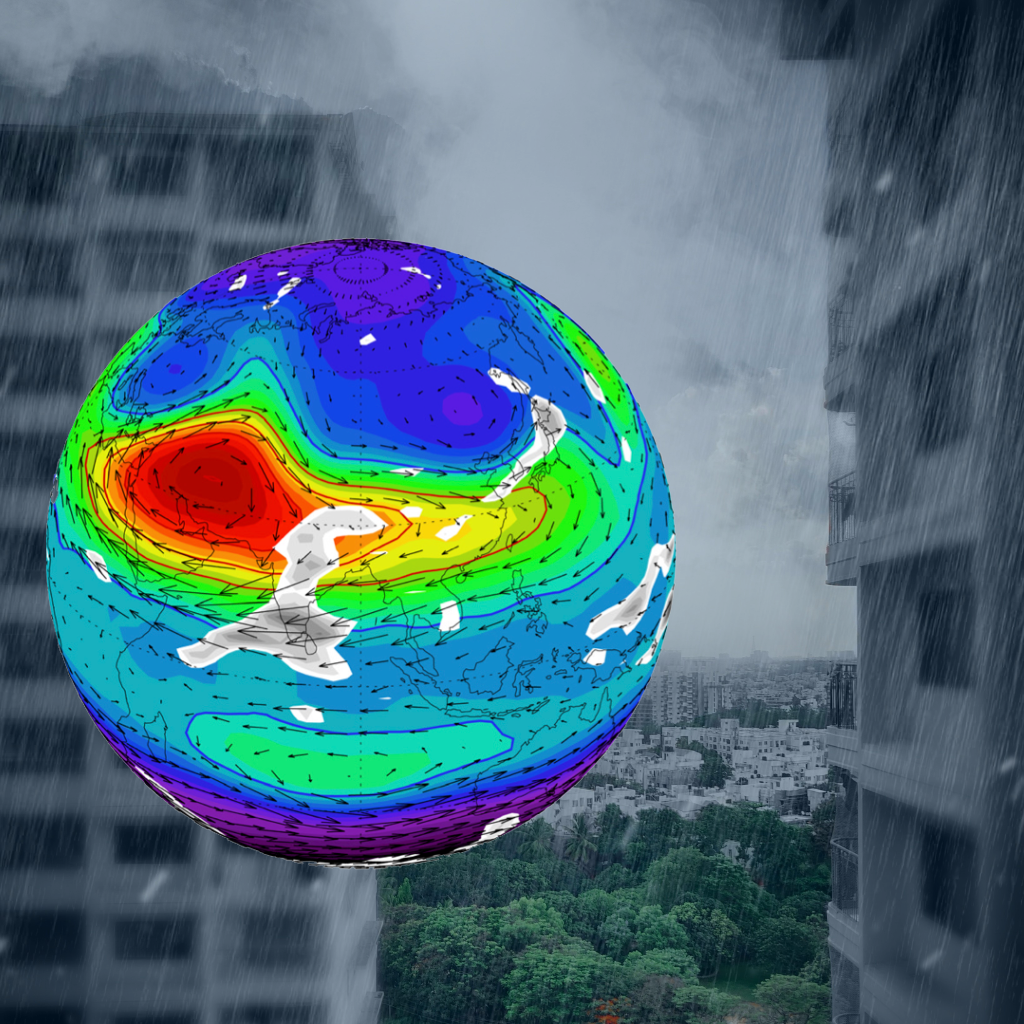
Theme: 4Circulation, Composition, and Extreme Events in the Tropics
Many key uncertainties in our understanding and future projections of climate change are rooted in the tropics, from the evolution of tropical sea surface temperatures to monsoon systems and the stratospheric quasi-biennial oscillation. Although the APARC community has a rich history in addressing circulation and composition in the tropics, the 2026 General Assembly will be the first to be held in the tropics. To mark the occasion, we specifically invite contributions on topics in tropical climate and meteorology, including global and regional monsoons, the causes and characteristics of extreme events, tropical waves and subseasonal variability, and coupled interactions between the tropical troposphere and the extratropics, the stratosphere, and other Earth system components. We also invite submissions concerning atmospheric chemistry and composition in the tropics, including aerosol effects on monsoons and other tropical systems, air quality and its impacts, and the influences of coupled chemistry on the QBO and its teleconnections.
Related APARC activities include: ACAM/STIPMEX, QBOi/QUOCA, A-RIP, LEADER, CCMI, ATC, VSLS, DynVar
Theme: 5Climate Prediction from Sub-Seasonal to Decades
Predictability of the atmosphere and climate system on subseasonal to decadal timescales is facilitated by processes with extended memory, such as ocean and sea ice variability and large-scale dynamical circulations in the tropics and stratosphere. New techniques are being developed to attribute predictable components, including the predictability of storm tracks, weather regimes and extreme events, to these drivers. These techniques are being leveraged in coordinated APARC projects to isolate sources of skill, explore the impact of model biases, and understand mechanisms. We invite contributions from those activities as well as general work on predictability of the climate system, including the use of AI/ML techniques to advance predictions on subseasonal to decadal time-scales.
Related APARC activities include: SNAP(si), LEADER, DynVar, A-RIP, QBOi, ACAM/STIPMEX, SOLARIS-HEPPA
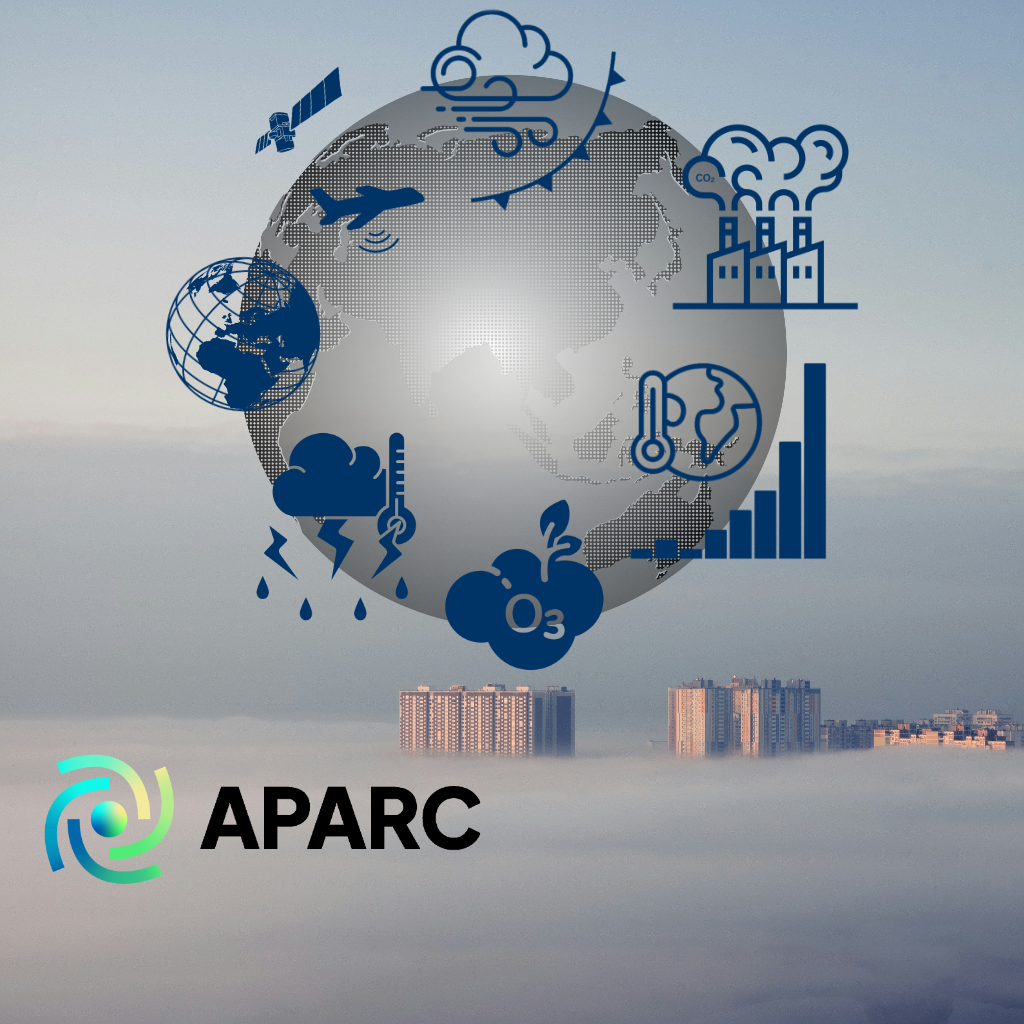
Theme: 6APARC Science with and for Society
The scope of APARC has grown from its roots in the stratosphere to encompass the full role of atmospheric processes in climate events, many of which directly impact society. This expansion of scope includes understanding the processes that lead to surface weather and climate extremes on timescales from the subseasonal to centennial. Deepening this understanding will be key to unlocking improvements in the accuracy and reliability of early warning systems essential to building climate resilience. This session centers perspectives on how the APARC scientific community can best serve society in the coming years, including contributions to the upcoming IPCC 7th Assessment Report; science applications that link APARC to WCRP’s other core projects, lighthouse activities, and objectives; and other emerging opportunities to increase public engagement and impact.
Confirmed Invited Speakers.

Haruka Okui
University of Tokyo

Inna Polichtchouk
ECMWF

Andrew Gettelman
PNNL
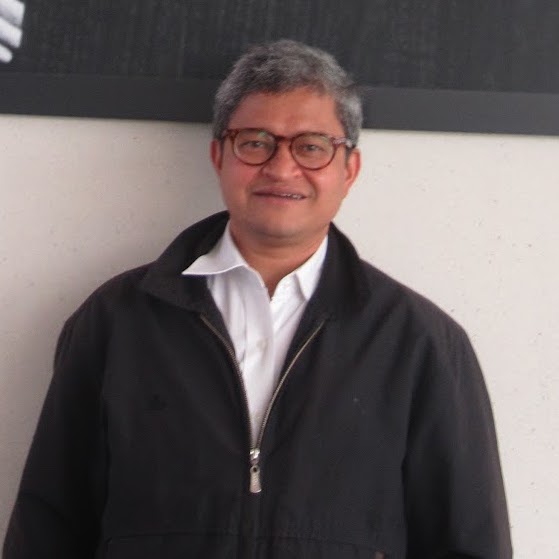
A. P. Dimri
Jawaharlal Nehru University

Mengqian Lu
Hong Kong University of Science and Technology
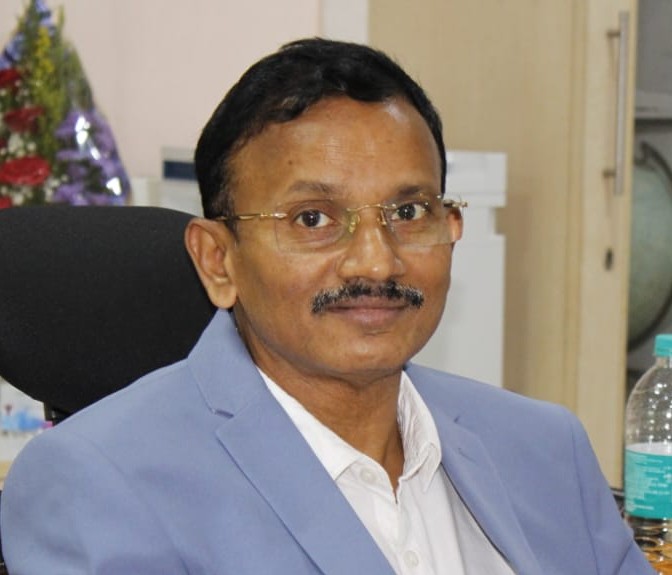
Suryachandra A. Rao
IITM Pune

Jean-Christopher Lambert
Royal Belgian Institute for Space Aeronomy

Michael Sigmond
Environment and Climate Change Canada

Cathy Clerbaux
Sorbonne Universite

Bernat Jiménez-Esteve
UCM/CSIC

Leandro Díaz
University of Buenos Aires
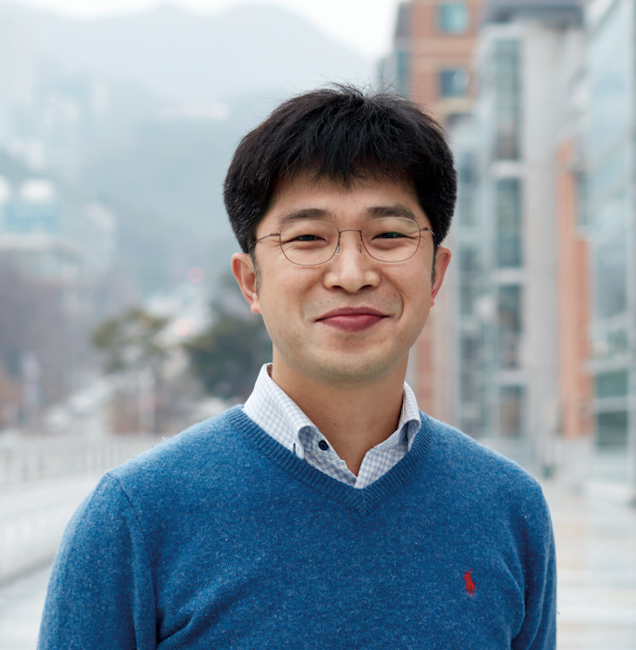
Seok-Woo Son
Seoul National University

Blanca Ayarzaguëna
Complutense University of Madrid
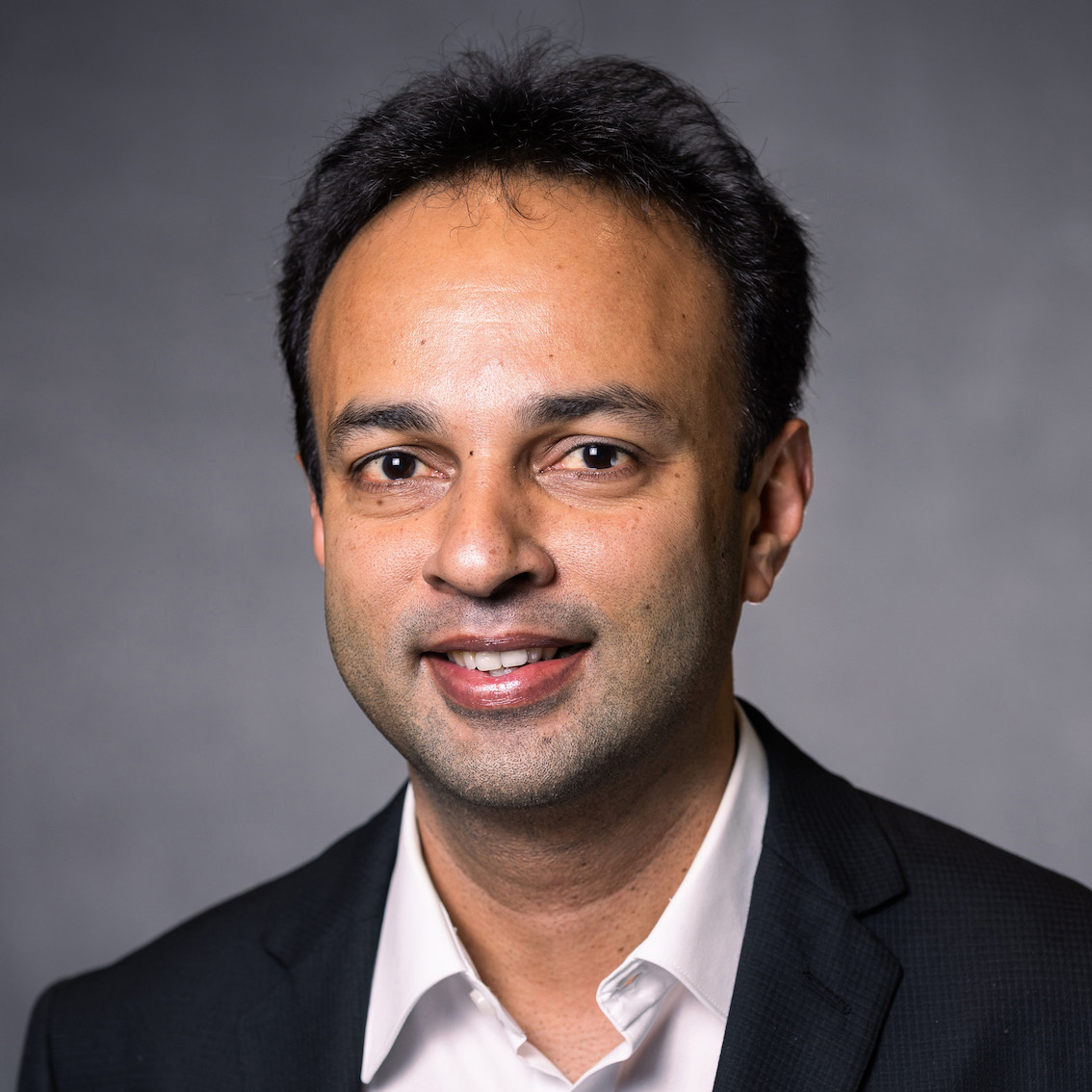
Roxy Mathew Koll
IITM, Pune

Aditi Sheshadri
Stanford University

Amadou Thierno Gaye
Cheikh Anta Diop University
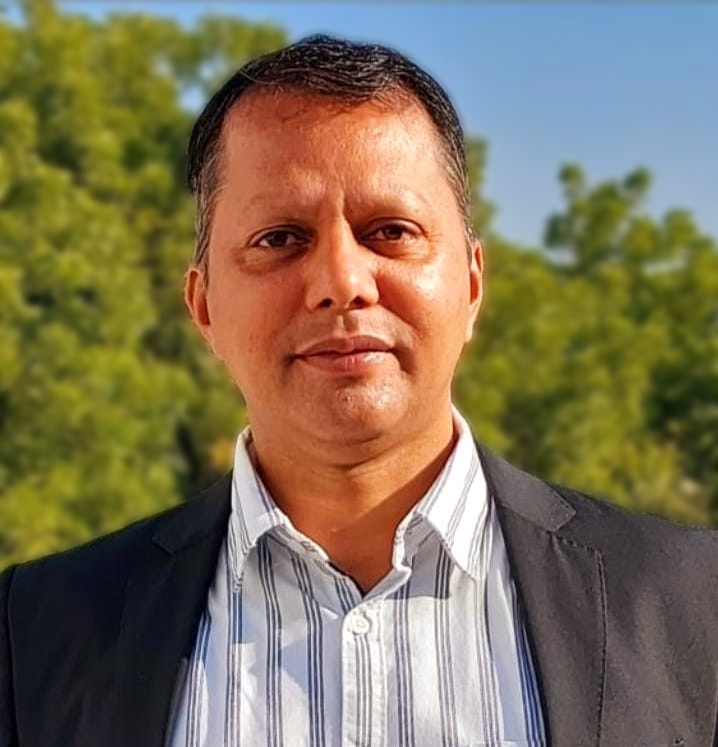
Saroj Kanta Mishra
IIT Delhi

Shipra Jain
University College London

Siddarth Shankar Das
Vikram Sarabhai Space Centre, ISRO

Susann Tegtmeier
University of Saskatchewan

Tim Woollings
University of Oxford

Windy Iriana
Bandung Institute of Technology